
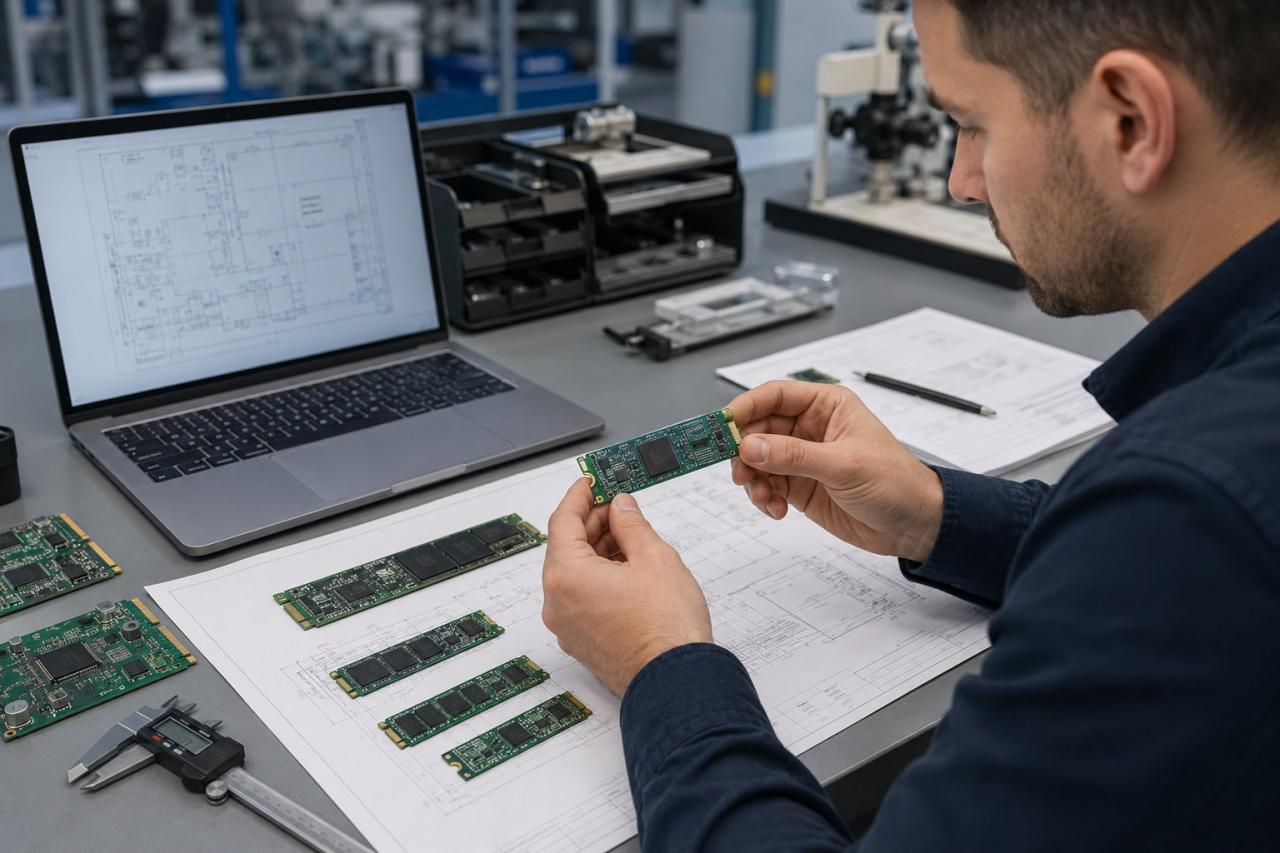
Getting a quote back fast feels good. But fast quotes don’t tell you whether the manufacturer in front of you can actually deliver what your design needs. The wrong custom SSD PCB manufacturer doesn’t just slow down your project — it can compromise signal integrity, push back your product launch, and cost far more to […]
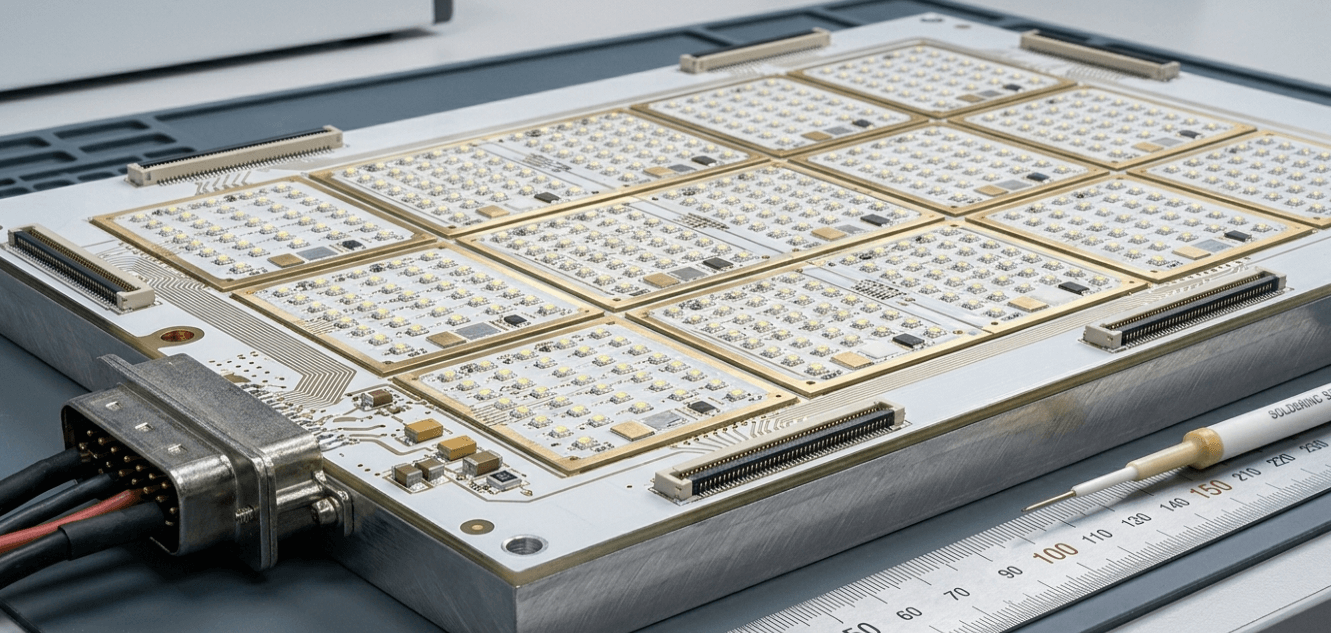
If the lifespan of your LED lights is shorter than expected, the problem may not lie with the LED chips. In many cases, the weak link is actually located beneath the LEDs: the PCB. FR4 is a glass-fiber epoxy laminate and the most common PCB base material in electronics. It provides strong insulation, but it […]
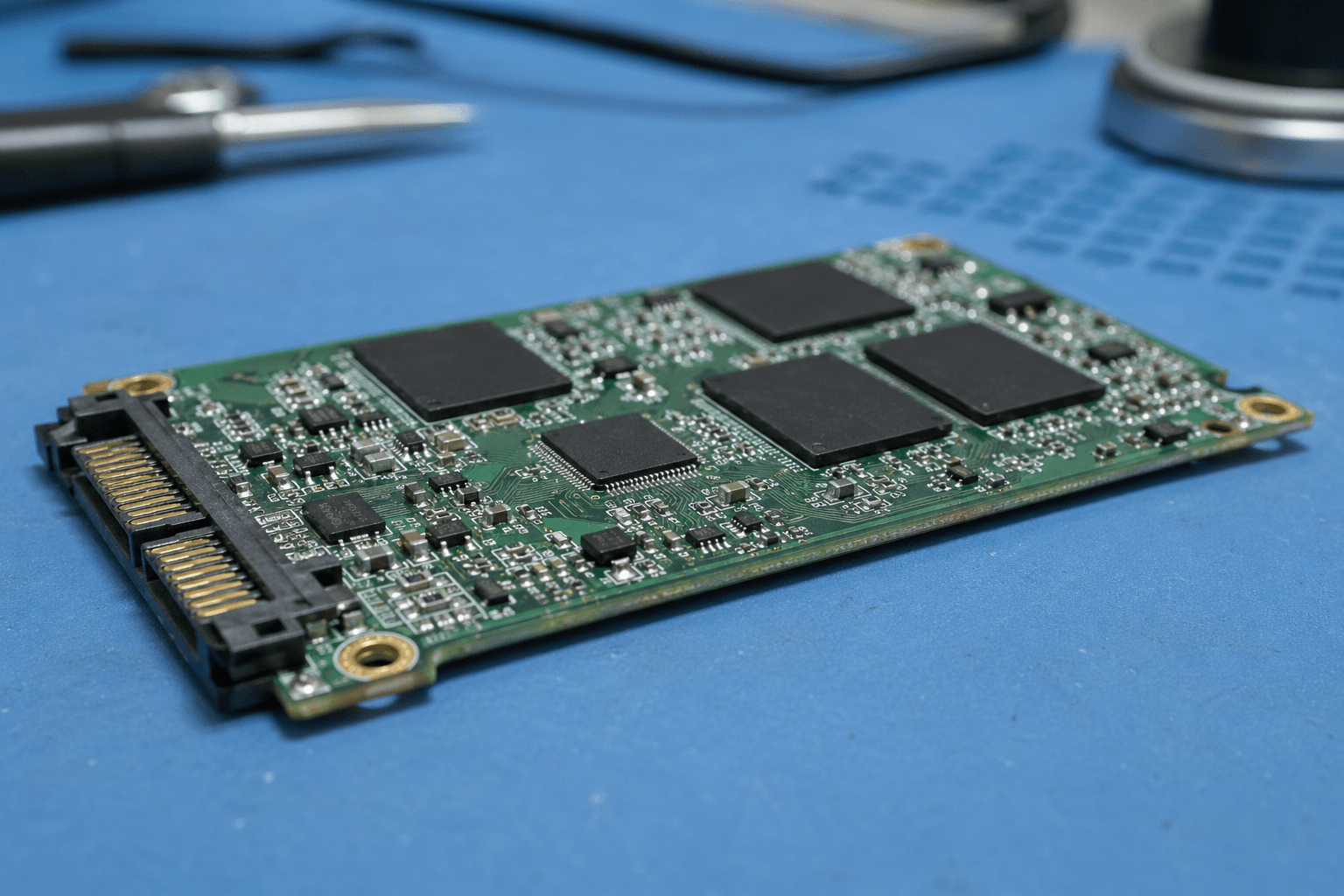
Yes, and for most industrial storage applications, it handles them well. The assumption that a two-layer board is too simple for demanding environments gets disproved regularly in the field. But “capable” and “correctly specified” are not the same thing. A 2 layer SSD PCB that works reliably in a factory floor controller looks very different […]
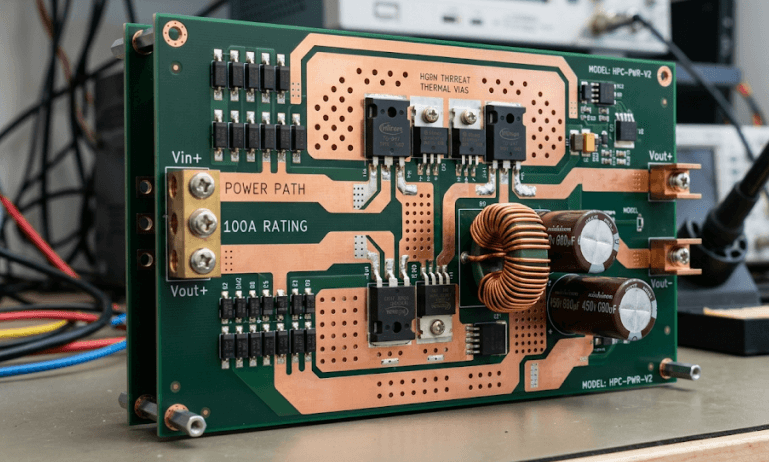
Standard PCBs have a current ceiling. Push past it and traces overheat, vias crack, and the board fails, not because the design was wrong, but because the material wasn’t built for the job. A heavy copper power PCB is what you use when the ceiling isn’t high enough. The copper weight on these boards runs […]
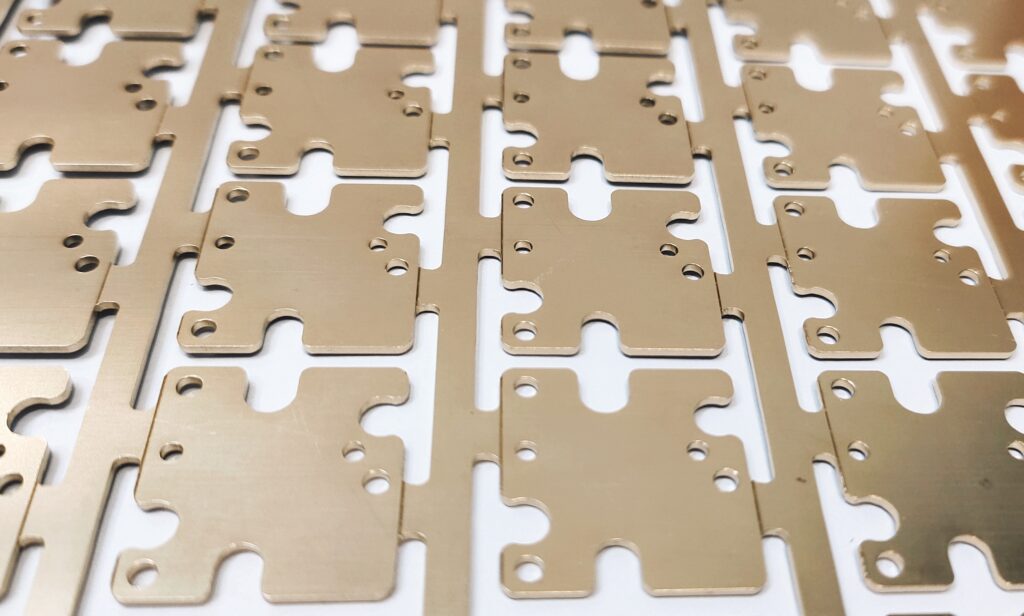
Heat can damage electronic components, typically through thermal cycling, solder joint fatigue, and gradual degradation. As a result, failures are often not detected until months after the vehicle leaves the factory. Under low-power conditions, FR4 material performs well. However, when the circuit board is subjected to higher loads—such as in LED driver circuits, motor controllers, […]
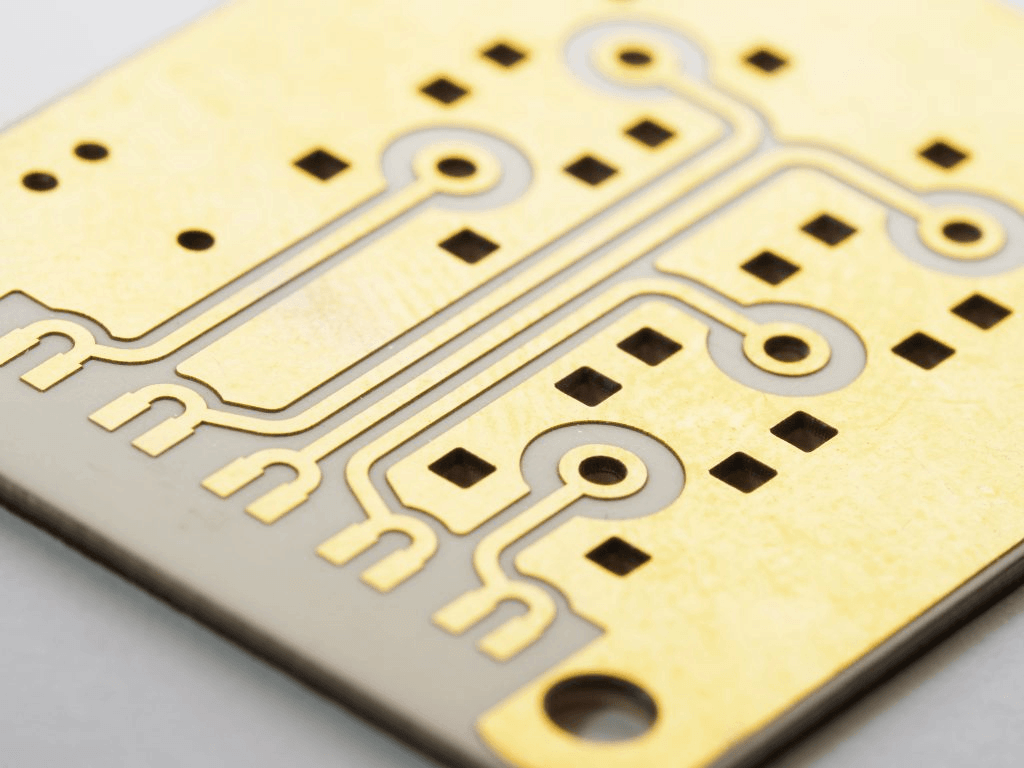
We must understand the specific functions of ceramic materials, their key applications, and the scenarios in which multilayer ceramic PCB are applicable. Not all designs require ceramic materials, but for those that do, switching from FR4 substrates to ceramic substrates is not advisable. This is to ensure the circuit board’s durability in practical applications. The […]
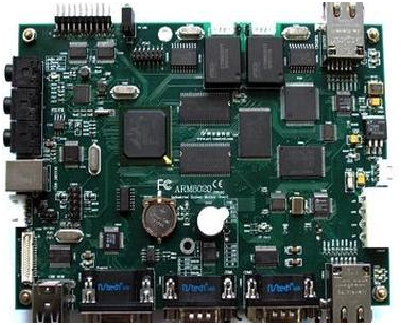
One might assume that as long as the right NAND flash memory and controller chips are selected, the circuit board design becomes naturally much simpler, ensuring the successful launch of a high-speed SSD PCB project. However, this notion is not merely incorrect; it is fundamentally flawed! A significant number of underperforming M.2 SSDs can trace […]
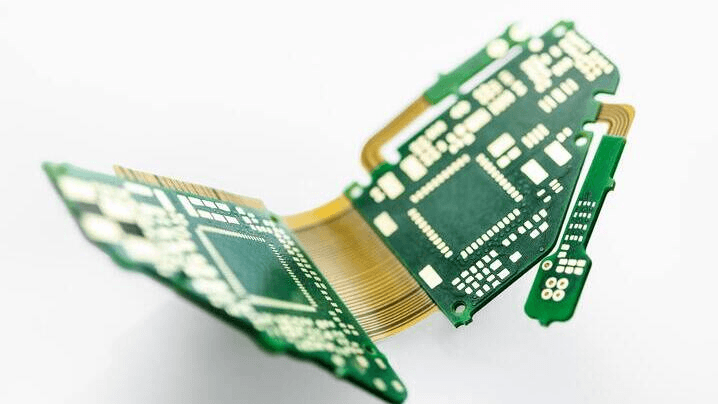
Modern electronic devices are becoming increasingly compact. Foldable smartphones, implantable medical sensors, and in-vehicle displays all face the same manufacturing challenge: how to integrate reliable circuits into spaces that bend, fold, and move? Flexible printed circuit boards (FPC PCB) are the answer. Flexible printed circuit boards (FPC PCB) have been around for decades. However, as […]
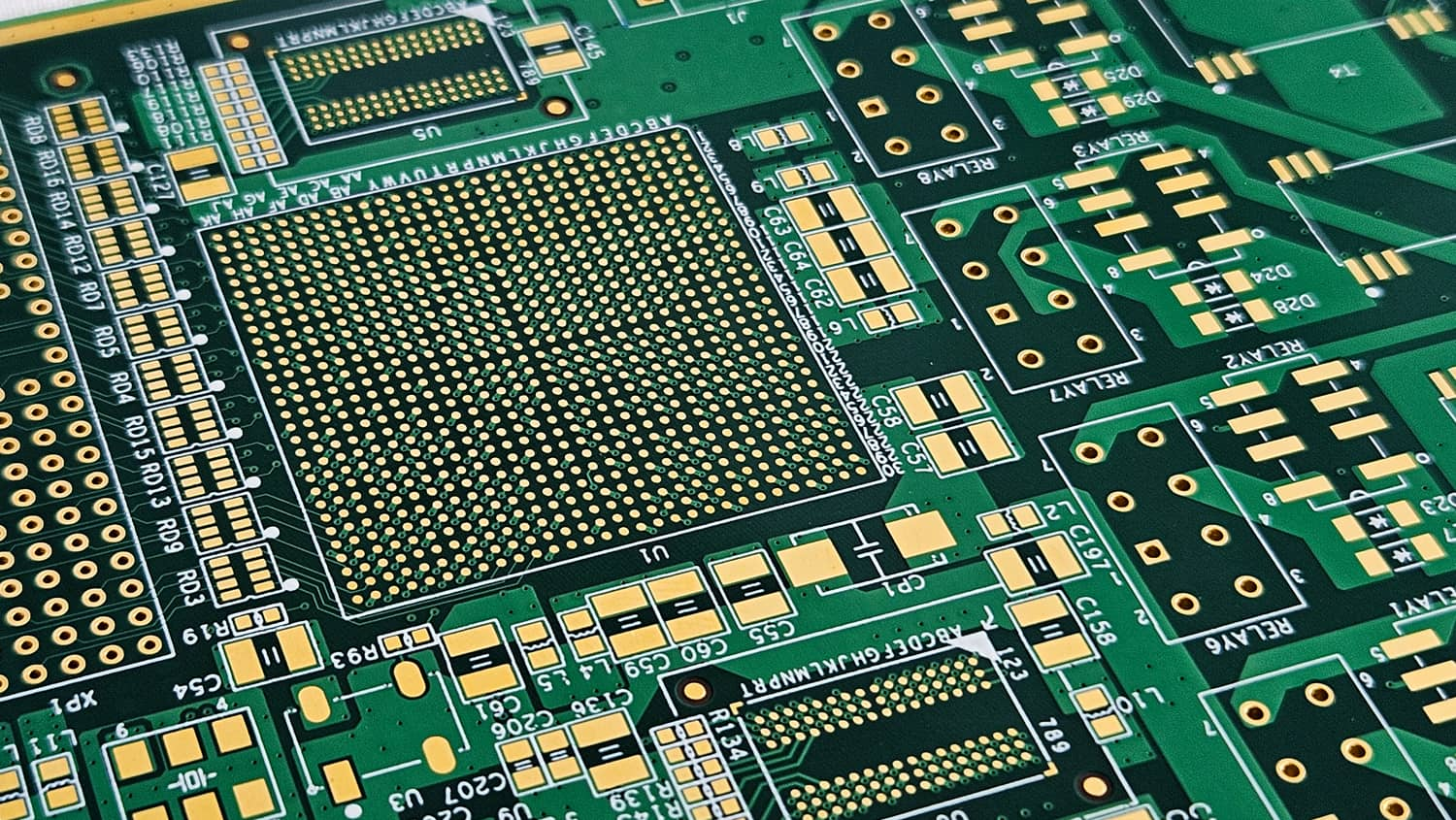
Durability is a key factor that directly impacts the service life of electronic devices. Whether in high-power applications or harsh operating environments, circuit boards must maintain stable performance over the long term. Because Metal Substrate PCB are widely used in high-temperature and high-vibration environments, users frequently inquire about their durability. We’ll help you analyze the […]
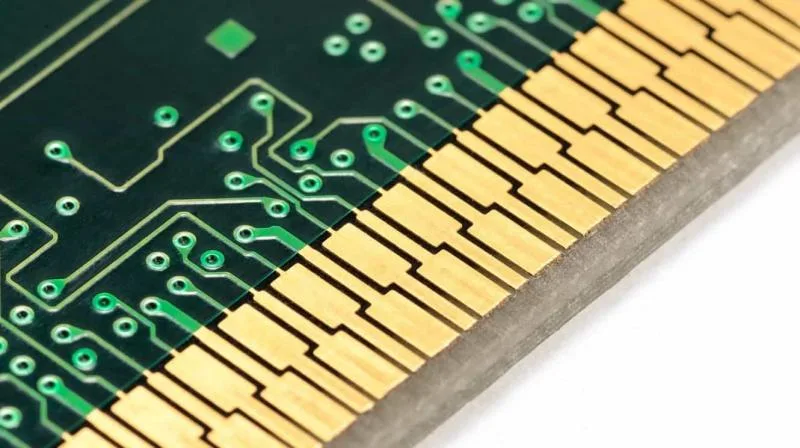
Almost all high-end devices seen on the market are equipped with a hidden gold finger PCB. These circuit boards provide rock-solid connections and are specifically designed to handle heavy tasks. Don’t worry about thousands of insertion and removal cycles; the signal will not be interfered with at all. This clever engineering design is the true […]