
Why is Rigid-flex PCB used in aerospace and automotive?
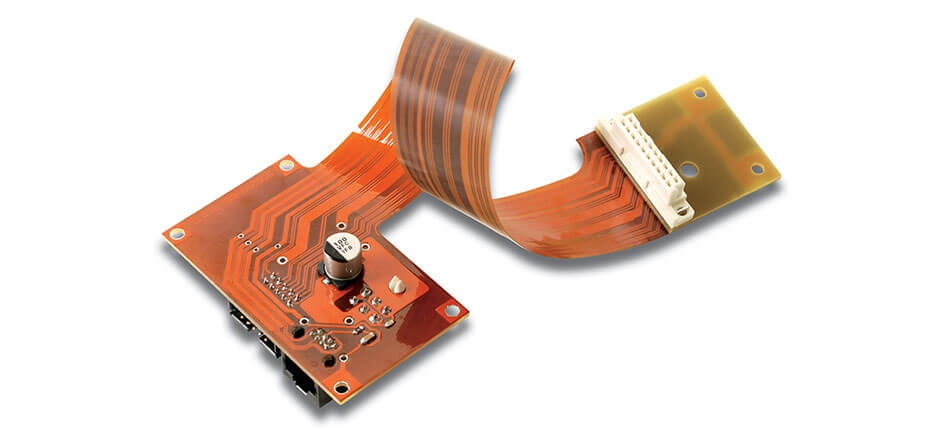
Rigid-Flex PCB has firmly established itself as a core component in aerospace and automotive systems. The reason lies in its unmatched ability to meet these industries’ toughest demands. Both sectors require components that perform reliably under extreme conditions. Rigid-Flex circuits deliver this stability, even when pushed to their limits. From cramped engine compartments to the harsh environment of satellite modules, Rigid-Flex PCB ensures critical operations run smoothly. Its durability and flexible design make it an ideal choice. It combines the sturdiness of rigid boards with the adaptability of soft circuits, perfect for complex, high-demand equipment.
Key Performance Advantages of Rigid-Flex PCB
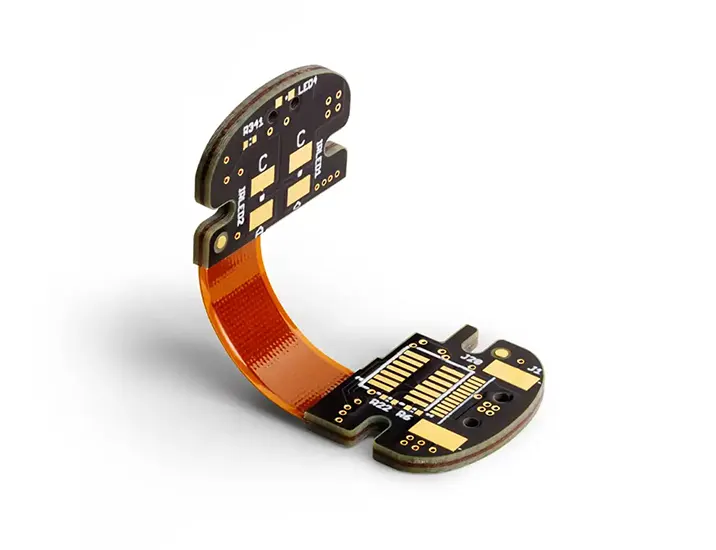
When it comes to harsh industrial environments, Rigid-Flex PCB really stands out for its well-rounded performance. Unlike standard circuit solutions, flex-rigid assemblies are designed to handle constant stress and extreme conditions. This is crucial for aerospace and automotive applications. For example, our Rigid-Flex PCB is backed by rigorous quality assurance, including AOI defect detection and X-ray internal inspection. Our 90% automated production ensures consistent performance across every unit. In these fields, even a small performance dip can have serious consequences. Rigid-Flex PCB’s ability to meet strict standards—enhanced by our reliable manufacturing process—is what makes it the go-to choice.
Excellent Vibration and Shock Resistance
First off, rigid-flex assemblies offer way better resistance to vibration and shock than traditional options. Think about it: high-speed vehicles and airborne equipment are always moving, shaking, and jostling—constant motion that tests every component. But flex-rigid boards stay steady, maintaining signal integrity even through all that movement. Unlike old-fashioned connections, Rigid-Flex PCB cuts down on failure risks caused by mechanical stress or loose contacts. This ruggedness is exactly why it’s such a good fit for the harsh environments of automotive and aerospace—where steady performance isn’t just nice to have, it’s essential.
High Stability in Harsh Environments
On top of that, rigid-flex multilayer boards hold up really well in extreme temperatures and tough conditions—even in the most unforgiving environments. These combined circuits can resist moisture, corrosion, and sudden temperature changes that often break down ordinary components. Rigid-Flex PCB keeps its electrical performance intact, with no degradation, running, and ensuring critical systems like avionics and automotive controls run without interruption. For industries that prioritize safety, especially those operating in challenging outdoor or onboard settings, this kind of stability is non-negotiable.
Rigid-Flex PCB Long-Term Reliability for Mission-Critical Apps
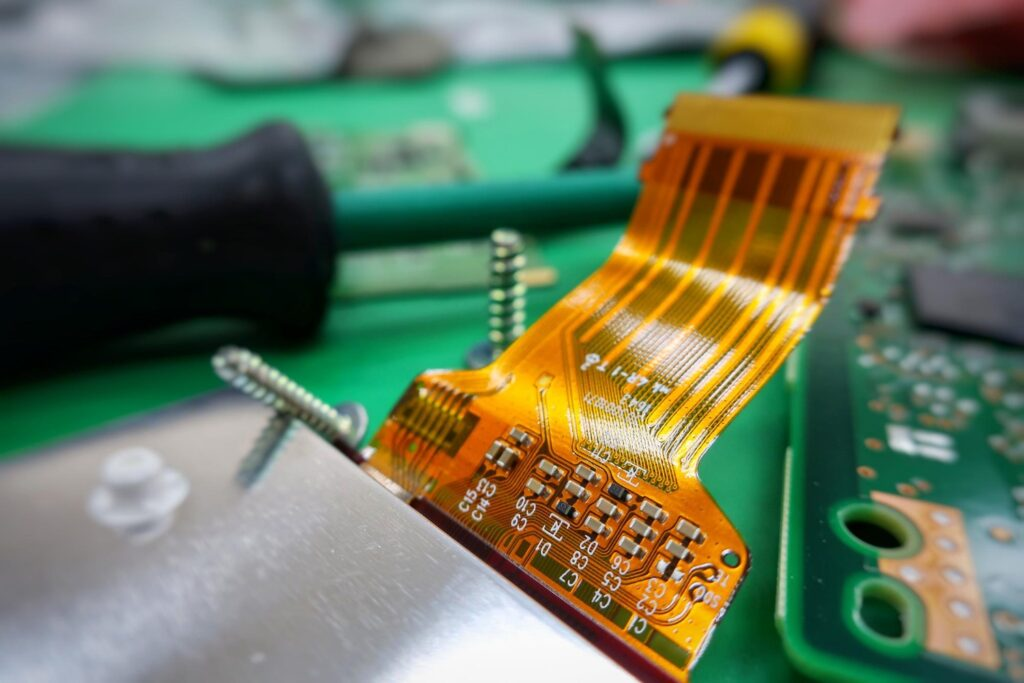
Mission-critical applications in aerospace and automotive fields demand uncompromising reliability, and rigid-flex PCBs are uniquely equipped to meet this need. Unlike traditional circuit boards, which often fail under long-term use or harsh conditions, Rigid-Flex PCB delivers consistent performance over time. This reduces maintenance costs and minimizes operational risks. Long-term reliability isn’t just a benefit—it’s a necessity. These industries depend on stable components to avoid costly downtime and ensure safety. This reliability lays the foundation for the detailed advantages explored in the following sections.
Minimized Maintenance and Downtime
Rigid-Flex PCB excels in reducing maintenance needs and minimizing downtime, a key requirement for aerospace and automotive mission-critical systems. Unlike traditional circuit boards that require frequent checks and repairs, Rigid-Flex PCBs’ robust structure and precise manufacturing process reduce the need for regular maintenance. This not only saves operational costs but also ensures that critical systems—from aircraft avionics to automotive control modules—run continuously without unexpected interruptions, which is vital for maintaining safety and efficiency.
Dependable Performance in Safety-Critical Scenarios
In safety-critical applications like aircraft avionics and automotive, Rigid-Flex PCB delivers consistent, reliable performance. Its strong structural integrity and stable signal transmission ensure that even in high-stress scenarios—such as sudden temperature changes or mechanical vibration—critical data and control signals remain intact. This dependability is why Rigid-Flex PCB is trusted as the core component for systems where even a small failure could lead to serious consequences.
Why Rigid-Flex PCB Dominates Aerospace and Automotive
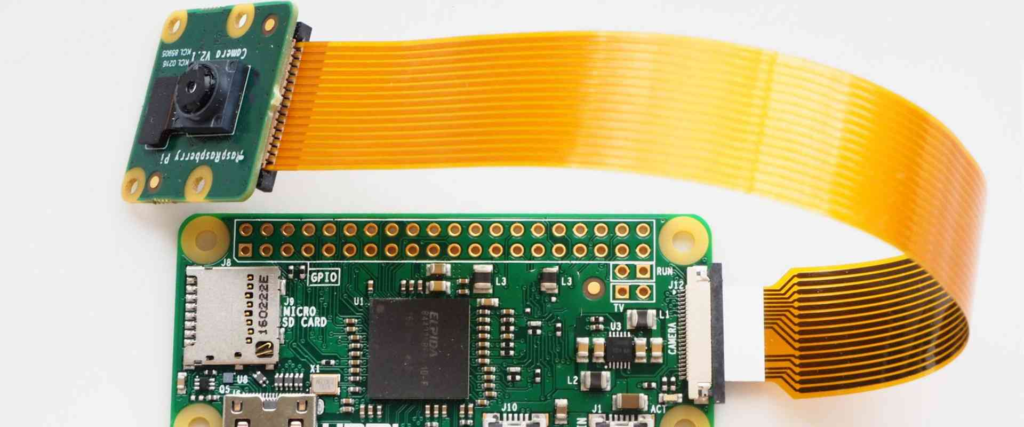
Aerospace and automotive industries rely on Rigid-Flex PCB not by chance, but because it solves their most pressing challenges. Flex-rigid boards address the need for durability in extreme conditions, efficiency in tight spaces, and dependability in safety-critical systems—gaps traditional PCBs simply cannot fill. Every strength, from vibration resistance to weight optimization, aligns with the sectors’ strict standards, making Rigid-Flex PCB the definitive solution for their most demanding applications. For these industries, choosing means prioritizing performance, safety, and long-term value that no alternative can match.
