
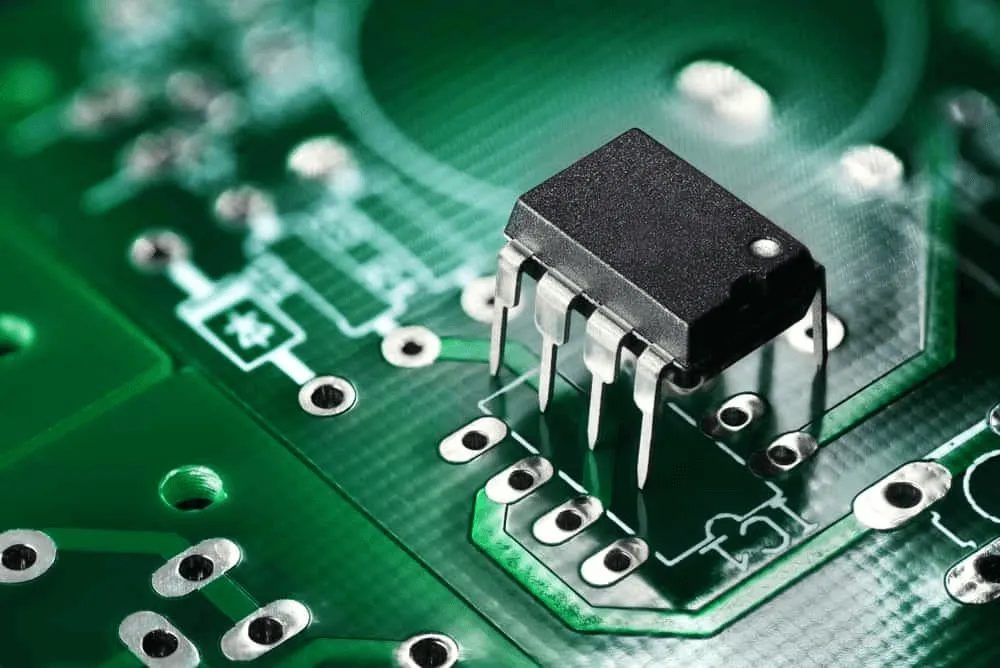
What custom options are available for Multi-layer PCB production?
Our facility offers customised solutions for multi-layer PCB production; whether you require a simple circuit board design or a complex, high-performance board, we can design it for you. Our customisation options fully meet all your essential requirements, including functionality, durability, and performance standards. The following are the key areas available for customisation:
Custom Specifications for Multi-layer PCB Design and Production
Custom Multi-layer PCBs offer a range of options that directly affect performance. From layer configuration to material choice, every detail is customizable. Understanding these options helps us craft a PCB that fits your specific needs.
1. Trace Width and Spacing
Trace width and spacing can be precisely adjusted for impedance control. This ensures stable signal transmission, especially in high-speed and high-frequency applications, allowing the multi-layer PCB to perform reliably in demanding environments.
2. Layer Count
The number of layers is a key customisation. Depending on design complexity, multi-layer PCBs can be configured with 4, 6, 8, or more layers. Each layer serves a specific role, such as power distribution or signal transmission.
3. Board Thickness
Board thickness is fully customizable to meet structural and assembly needs. Thinner boards save space, while thicker ones offer better stability. This flexibility makes multi-layer PCBs suitable for a wide range of devices.
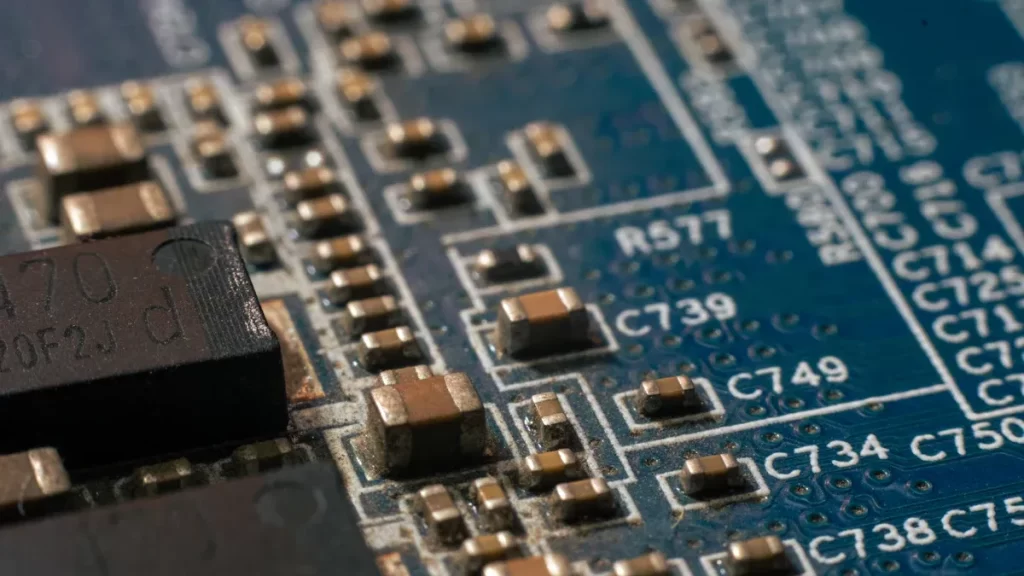
Material Choices for Multi-layer PCBs
Material Selection in Multilayer PCB Manufacturing. Different materials influence a PCB’s electrical and mechanical characteristics; therefore, making the right choice ensures that the final product complies with safety standards and meets performance requirements.
1. FR-4 Materials
FR-4 is the most widely used substrate material for general-purpose multilayer PCBs. It offers excellent insulation properties, stability, and cost-effectiveness.
2. High-Frequency Materials
Engineers design high-speed materials specifically for high-frequency applications to minimise signal loss and enhance signal transmission quality.
3. Metal-Base Materials
Metal-based materials are the ideal choice for applications requiring enhanced thermal dissipation capabilities. They conduct heat rapidly, making them highly suitable for use in the field of power electronics.
4. High-Temperature-Resistant Materials
Industries and automotive electronics often use these materials because they maintain stable performance in extreme environments and resist performance degradation.
5. Copper Foil Thickness
The thickness of the copper foil can be customised to meet specific requirements. Increasing the copper foil thickness enhances current-carrying capacity, making it particularly well-suited for power supply circuits and industrial control systems.
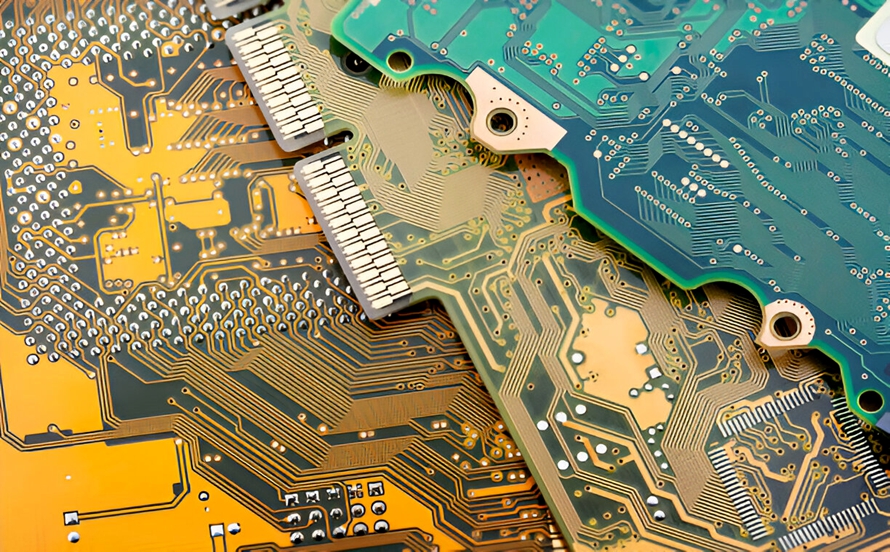
Custom Surface Finishes and Processing Techniques for Multilayer PCBs
Surface finishing operations significantly impact the solderability and service life of multilayer PCBs. We currently offer a diverse range of surface finishing solutions tailored to meet the requirements of various assembly processes.
1. HASL (Hot Air Solder Levelling)
HASL is a traditional, cost-effective surface finish widely used in general-purpose electronic products.
2. ENIG (Electroless Nickel Immersion Gold)
ENIG provides excellent surface flatness, ideal for high-density components. It also offers superior corrosion resistance, ensuring long-term stability and reliable operation.
3. OSP (Organic Solderability Preservative)
OSP is an eco-friendly surface finish that protects copper pads from oxidation, commonly used in high-precision consumer electronics assembly.
4. Immersion Gold and Immersion Silver
For specialised applications, we offer Immersion Gold and Immersion Silver finishes, ensuring reliable and stable solder joints.
5.Blind Vias and Buried Vias
We also provide custom processing techniques like blind and buried vias, commonly used in compact smart devices and communication equipment, to reduce board size and increase routing density.
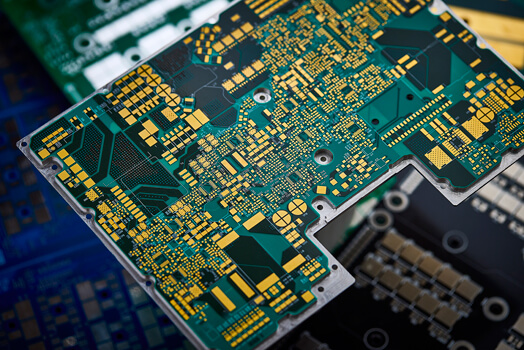
Customised Solutions for Small-Batch Production: Multi-layer PCB Prototyping
Multilayer PCB prototyping demands exceptional flexibility. In this regard, customised prototyping services facilitate the rapid testing and validation of designs—thereby shortening development cycles and mitigating the risks associated with large-scale mass production.
1. Customised Stack-up Structures
Furthermore, a trustworthy manufacturer must be capable of providing customised stack-up services for PCB prototypes. Based on your design files, we can flexibly adjust the materials used, board thickness, and surface finish processes.
2. Rapid Turnaround Times
For time-critical projects, we provide efficient, expedited prototyping services while maintaining strict product quality standards.
3.Electrical and Impedance Testing
The prototyping phase typically includes impedance and electrical performance testing to ensure that the prototype functions exactly as intended. Any potential issues can be effectively resolved before proceeding to mass production, thereby enhancing overall efficiency.
We always centre our customised approach on meeting our clients’ specific needs and delivering the highest level of service, whether for small-batch pilot runs or large-scale orders. A meticulously customised multilayer PCB not only enhances product reliability but also stands the test of time!

FAQ Section
- What layer counts are available for custom multilayer PCBs?
Common options include 4-layer, 6-layer, 8-layer, 10-layer, and higher. Manufacturers can produce according to customer design requirements. - Can materials be customised for high-frequency multilayer PCBs?
Yes, special high-speed and low-loss materials are available to improve signal integrity for communication and RF applications. - Are blind and buried vias supported in multi-layer PCB production?
Yes, these structures can be customised to save space and are widely used in compact, high-density designs. - Can solder mask colour be customised for multilayer PCBs?
Yes, common colours include green, red, blue, black, and others. Customers can choose based on aesthetic needs. - How long does custom multilayer PCB production usually take?
Lead time varies based on complexity and quantity. Prototypes are often faster, while mass production takes longer.
Multilayer PCB Manufacturing Tailored to Your Exact Specifications
Our multilayer PCBs offer extensive customisation options, specifically designed to meet the diverse requirements of a wide range of electronic applications. Moreover, we can flexibly adjust every parameter, from stack-up configurations and base material selection to surface finish treatments. Whether referred to as multilayer PCBs or multilayer printed circuit boards, the core objective remains constant: to ensure exceptional and reliable performance.
